

AI Citation Audit
We run your commercial prompts through the major generative engines and record who gets cited, what is said about you, and where competitors are being recommended instead.
Search increasingly ends in an answer, not a list of links. We make your brand one of the sources ChatGPT, Perplexity, Google AI Overviews, and Gemini quote, recommend, and link to.
Generative Engine Optimization (GEO) is the practice of structuring a website and its supporting content so that generative AI systems — ChatGPT, Perplexity, Google AI Overviews, Gemini, and Copilot — retrieve it, trust it, and cite it when answering user questions.
Traditional SEO competes for a position in a ranked list. GEO competes to be one of the handful of sources a language model actually pulls into its answer. The two overlap, but they are not the same job: an AI system weighs entity clarity, factual consistency across the open web, extractable structure, and third-party corroboration far more heavily than it weighs keyword placement.
Getting cited by a language model is an engineering problem before it is a content problem. We work across your entity footprint, your markup, your content structure, and the third-party sources AI systems draw on.
We run your commercial prompts through the major generative engines and record who gets cited, what is said about you, and where competitors are being recommended instead.

We restructure pages so the direct answer comes first and the supporting detail follows — the shape a retrieval system can lift cleanly into a generated response.

We give your brand an unambiguous machine identity: consistent naming, linked profiles, and sameAs relationships that let a model resolve who you are with confidence.

Schema.org coverage built for retrieval, not just rich snippets — plus an llms.txt manifest and clean, crawlable HTML that does not hide facts behind JavaScript.

Language models trust claims that appear in more than one place. We work on the third-party surfaces they actually retrieve from — industry directories, review platforms, forums, and editorial coverage.

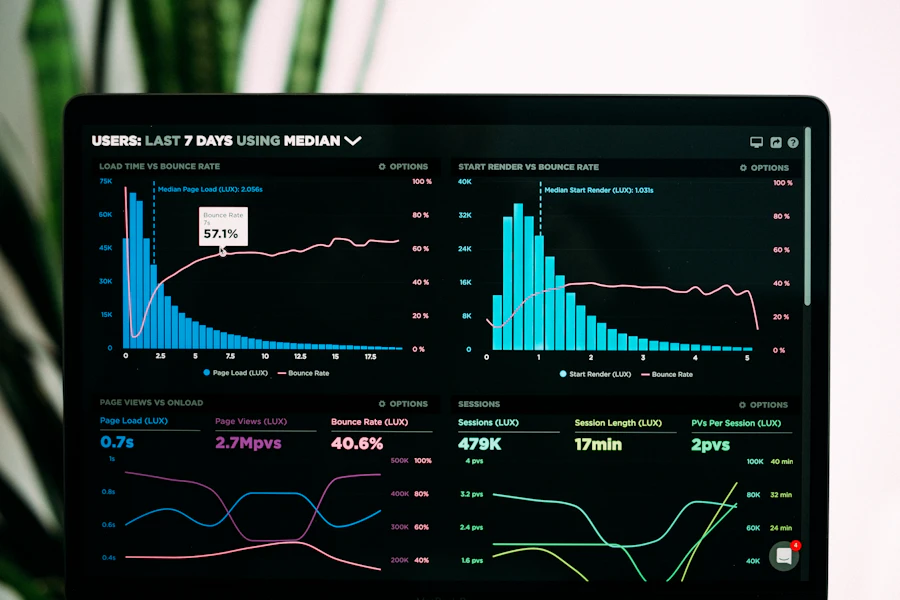
Monthly tracking of citation rate, answer sentiment, and referral sessions from AI surfaces, reported next to your existing organic numbers so you can see both channels together.
Maximize your visibility in generative search summaries and conversational engine results.
Aligning site architecture and content semantic structure directly with Perplexity, Gemini, and ChatGPT Search crawler specifications.
Analyzing how industry comparison models and databases present your brand to conversational AI systems.
Securing references and contextually-rich citations on platforms that AI models scrape for authoritative knowledge.
Deploying structured schemas and crawl-ready pages to feed AI search engines with updated, accurate product information.

Generative visibility is earned in a specific order: measure first, fix the machine-readable layer, then build the corroboration that makes a model confident enough to cite you.
Build the prompt set that matches real buying questions, then record who each engine cites today and how your brand is described.
Week 1-2Fix the retrieval layer: schema architecture, entity consistency, crawler access, llms.txt, and server-rendered facts.
Rebuild priority pages answer-first and align the third-party sources that generative engines cross-check before quoting you.
Month 2-6Re-run the prompt set monthly, expand into the questions you now win, and close the gaps where competitors still hold the citation.
Ongoing
You cannot improve a citation rate you are not measuring. We track how each engine answers your commercial questions, validate the markup they rely on, and watch the referral traffic those answers send back.
The goal is not a vanity metric. It is being present, described accurately, and linked when a buyer asks an AI system the question your business exists to answer.



Choose a plan based on how many commercial questions you need to win and how much of the structural work is already in place.
For brands that need to know where they stand before committing to a full programme.
For brands actively competing to be the recommended option in their category.
For multi-product brands, marketplaces, and companies defending a category position.
Teams come to Digi Web Tech when they want sharper execution, cleaner reporting, and a partner that can move from audit to rollout without wasting momentum.
"The strategy felt specific to our market, the execution was fast, and the reporting finally made sense. We saw better leads, clearer priorities, and stronger momentum within weeks."
Marketing Lead, GEO Optimization ClientCommon questions about how GEO differs from SEO and AIO, what can actually be measured, and how long generative visibility takes to build.
We can run a sample prompt set for your category and show you exactly who the AI engines recommend today.
SEO competes for a ranked position on a results page. GEO competes to be one of the sources a generative engine quotes inside its answer. Ranking well helps, but it is not sufficient — AI systems weigh entity clarity, factual consistency across the wider web, extractable page structure, and third-party corroboration far more heavily than keyword placement.
AIO (AI Optimization) makes your own pages machine-readable so AI systems can understand what you do. GEO uses that foundation to earn citations inside generated answers, which also depends on sources you do not own. Most brands need both; AIO is usually the prerequisite.
ChatGPT Search, Perplexity, Google AI Overviews, Google Gemini, and Microsoft Copilot. We track each separately because they retrieve from different source mixes and cite very differently for the same question.
Yes, though not the way rankings are. We define a fixed set of commercial prompts, run them on a schedule against each engine, and record whether your brand is cited, how it is described, and which competitors appear alongside you. Alongside that we segment referral sessions arriving from AI surfaces in GA4.
Structural fixes — schema, entity consistency, crawler access, answer-first page rebuilds — are typically in place within 4 to 8 weeks, and engines that recrawl frequently can reflect them quickly. Citation share driven by third-party corroboration moves more slowly and usually compounds over 3 to 6 months.
Yes. Generative engines draw heavily on the conventional search index, so organic authority remains an input to AI visibility. GEO extends SEO into answer surfaces; it does not replace it.